
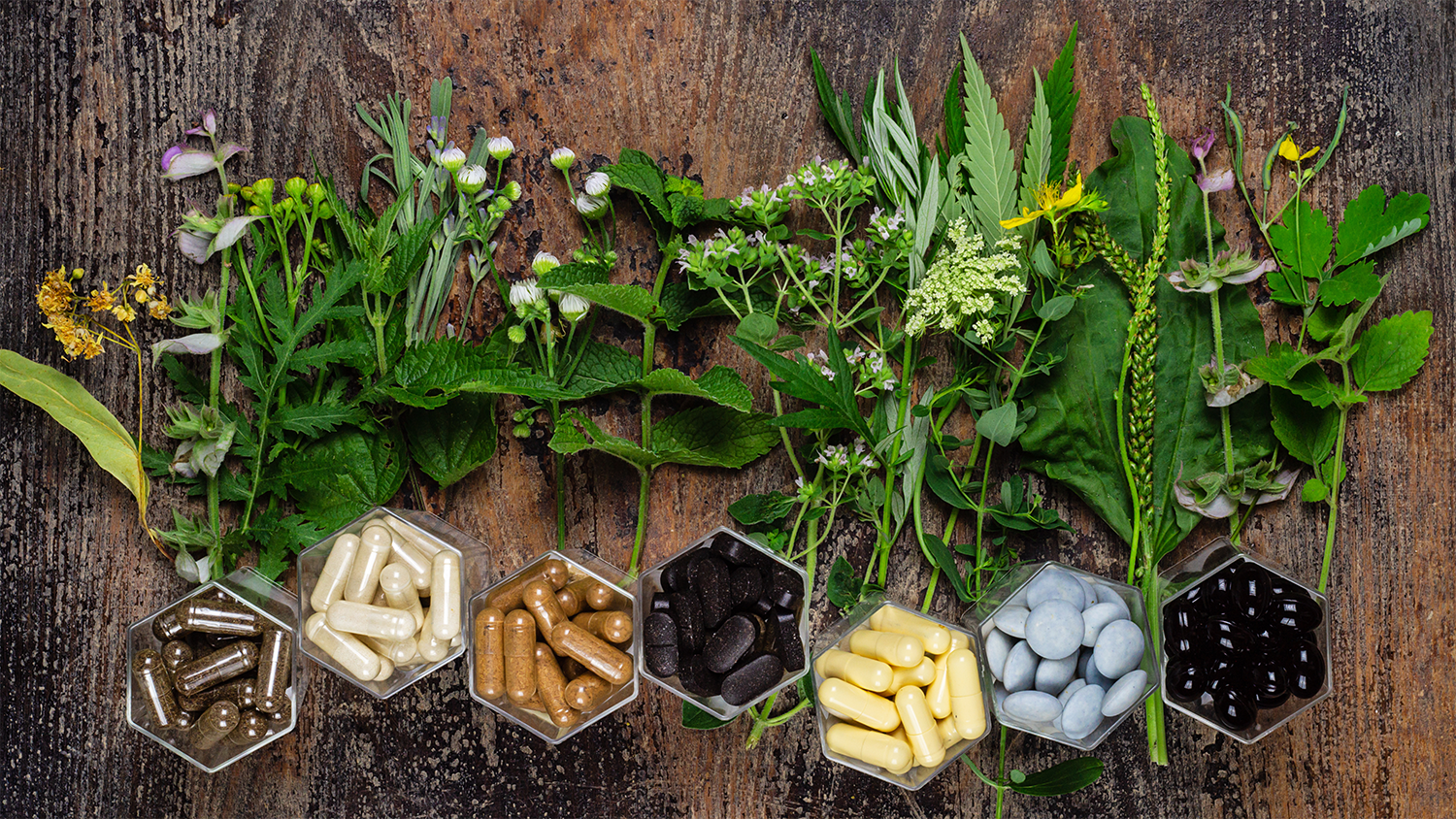
Foundations of Herbal Support
This course (3 Hours/3 CEUs) is designed to provide clinicians with a practical understanding of botanical remedies and their role in modern healthcare.
Through three modules, learners explore the historical roots of herbalism, the therapeutic relevance of phytochemicals, and the ways herbs can be used to support overall health and wellness.
The course introduces key concepts in herbal constituents, preparations, delivery methods, and evidence-based herbalism, helping healthcare providers build confidence in selecting and recommending herbal products that align with individual patient needs.
As the course progresses, participants gain a stronger understanding of herbal synergy, functional herbalism theory, proper dosing, and the importance of quality sourcing and manufacturing practices. The course also highlights ethical considerations in herbal medicine, safety precautions, and the integration of botanical support into contemporary clinical practice. Turmeric and adaptogens are used as practical examples throughout the learning experience to illustrate how herbal principles translate into real-world application.
By the end of the course, clinicians will have a clearer understanding of how to evaluate, recommend, and discuss herbal support with patients in a way that is informed, responsible, and clinically relevant. This knowledge can help strengthen patient guidance and improve confidence in incorporating herbal strategies into whole-person care.
Disclaimer: The herbs and herbal practices discussed are focused on promoting overall health and well-being and are not intended to treat or cure any disease.
Module One: Exploring the World of Herbalism
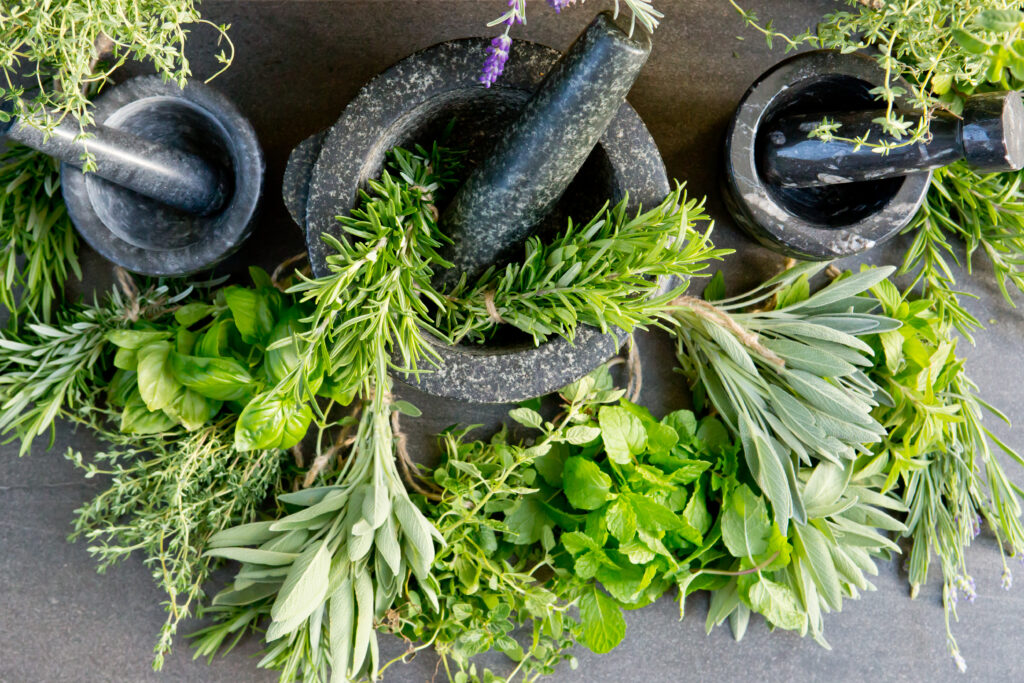
In Module One, we will ground the learning in the historical context of herbalism across various traditions and their relevance in contemporary healthcare practices. Additionally, we will discuss the concept of herbs to support overall health, highlighting the importance of phytochemicals, the compounds that imbue herbs with their health-promoting properties. Our spotlight on turmeric will showcase the potential health benefits of a commonly used herbal spice, giving you a practical example of herbalism in action. of significant traditions in the history of herbalism.
At the end of this module, participants will be able to:
- Identify and summarize the important features of significant traditions in the history of herbalism.
- Demonstrate the influence of herbal traditions on modern-day Western herbalism.
- Apply essential concepts and principles to draw conclusions about phytochemicals and their properties in herbs.
Module Two: Exploring Herbal Constituents, Preparations, and Delivery Methods
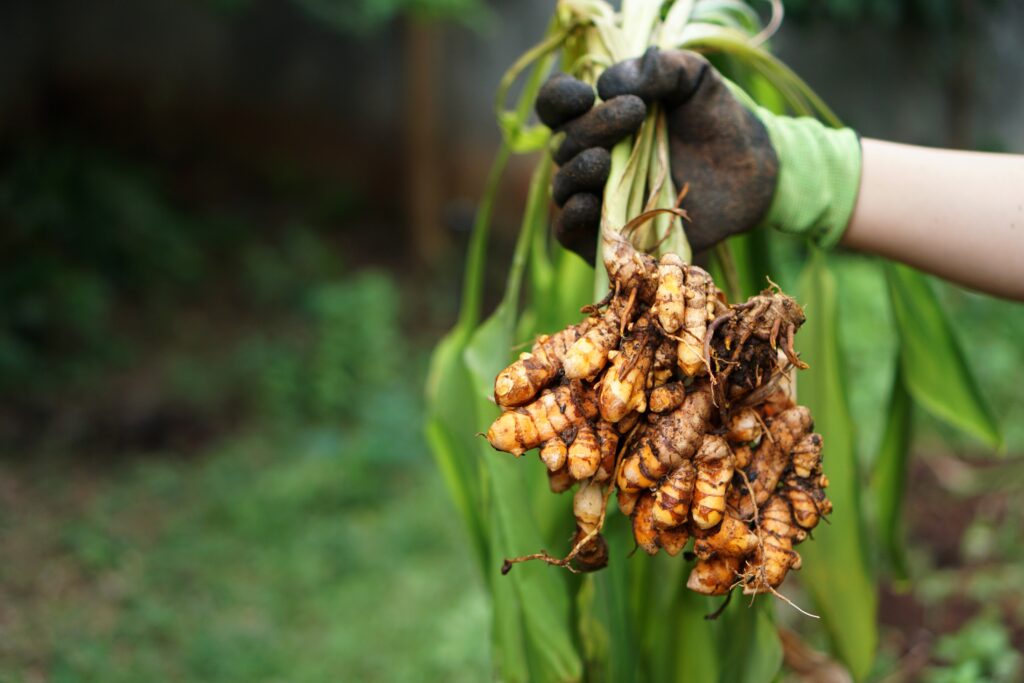
In this module, you will gain familiarity with herbal constituents and the concept of synergy in full- spectrum applications. We will delve into various herbal preparations, acquainting you with the landscape of herbal products and commonly employed delivery methods, equipping you with the high- level discernment needed to effectively choose herbal products for your clinical practice to benefit your patients. A spotlight on turmeric constituents and extracts will offer practical examples for healthcare providers to understand the application of these concepts in real-world scenarios.
At the end of this module, participants will be able to:
- Recognize key terminology and apply informed discernment in relation to the various preparation and extraction methods of herbal products.
- Apply essential concepts about herbal constituents and how their properties determine their specific actions and effects on the body.
- Comprehend the role that standardization plays in the quantification and quality assurance of maintaining consistent levels of the chosen key active constituents.
Module Three: Herbs in Modern Healthcare-Key Considerations for Clinicians
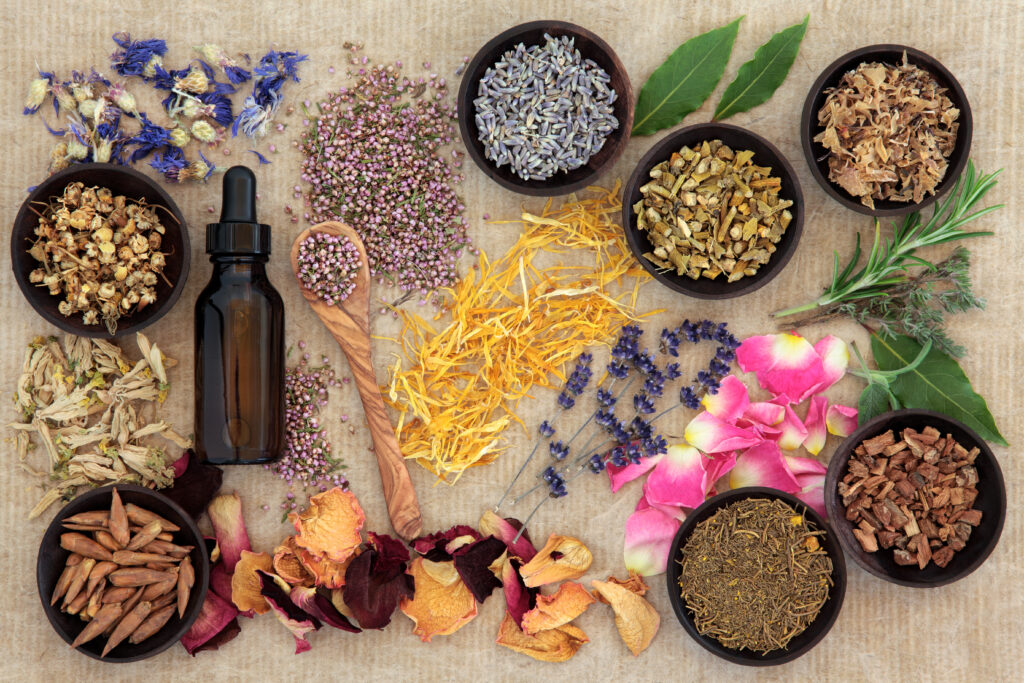
Module Three explores the integration of herbal support into modern healthcare practices, providing essential insights for healthcare practitioners. Throughout this module, we will delve into evidence- based herbalism and the role of scientific evidence in guiding herbal treatments. Phytotherapy and functional herbal therapy will be key topics of discussion, emphasizing the therapeutic benefits of plants in healthcare. Key aspects such as understanding the dosage of herbal products, ethical considerations in herb sourcing, and good manufacturing practices will be covered. A spotlight on adaptogens for modern-day practice and evidence-based administration of turmeric will provide practical applications for clinicians and their patients.
At the end of this module, participants will be able to:
- Integrate the principles of evidence-based herbalism to guide the use of herbal products in clinical practice for optimal health outcomes.
- Recognize quality measures in herbal product manufacturing, including FDA good manufacturing practices, in relation to adulteration concerns and ethical sourcing of herbal materials.
- Navigate the regulatory landscape of working with herbal products and exercise awareness around dosage, safety concerns, and herb-drug interactions.
License Renewal
While applications relating to credit hours for license renewal in selected states have been executed for these programs, it remains attendees’ responsibility to contact the state board(s) or organizations from whom they seek continuing education credits for purposes of ensuring said board(s) or organization approves both venue and content as they relate to any seminar/course/lecture/webinar/online presentation (event). Neither a speaker’s or exhibitor’s presence at said event, nor product mention or display, shall in any way constitute NCHS endorsement. NCHS’s role is strictly limited to processing, submitting, and archiving program documents on behalf of course sponsors.
CE Information
There are various course approvals for ND, DC, LAc, CNS, ACBN, BCHN, NTP, and California RN but please refer to the CEU Approvals by State page for information on specific approvals.
Disclaimer
The following states do not allow online CEUs: Indiana, Kentucky, Louisiana, Mississippi, Wisconsin. At this time, online CEUs are not able to be processed for Florida.