
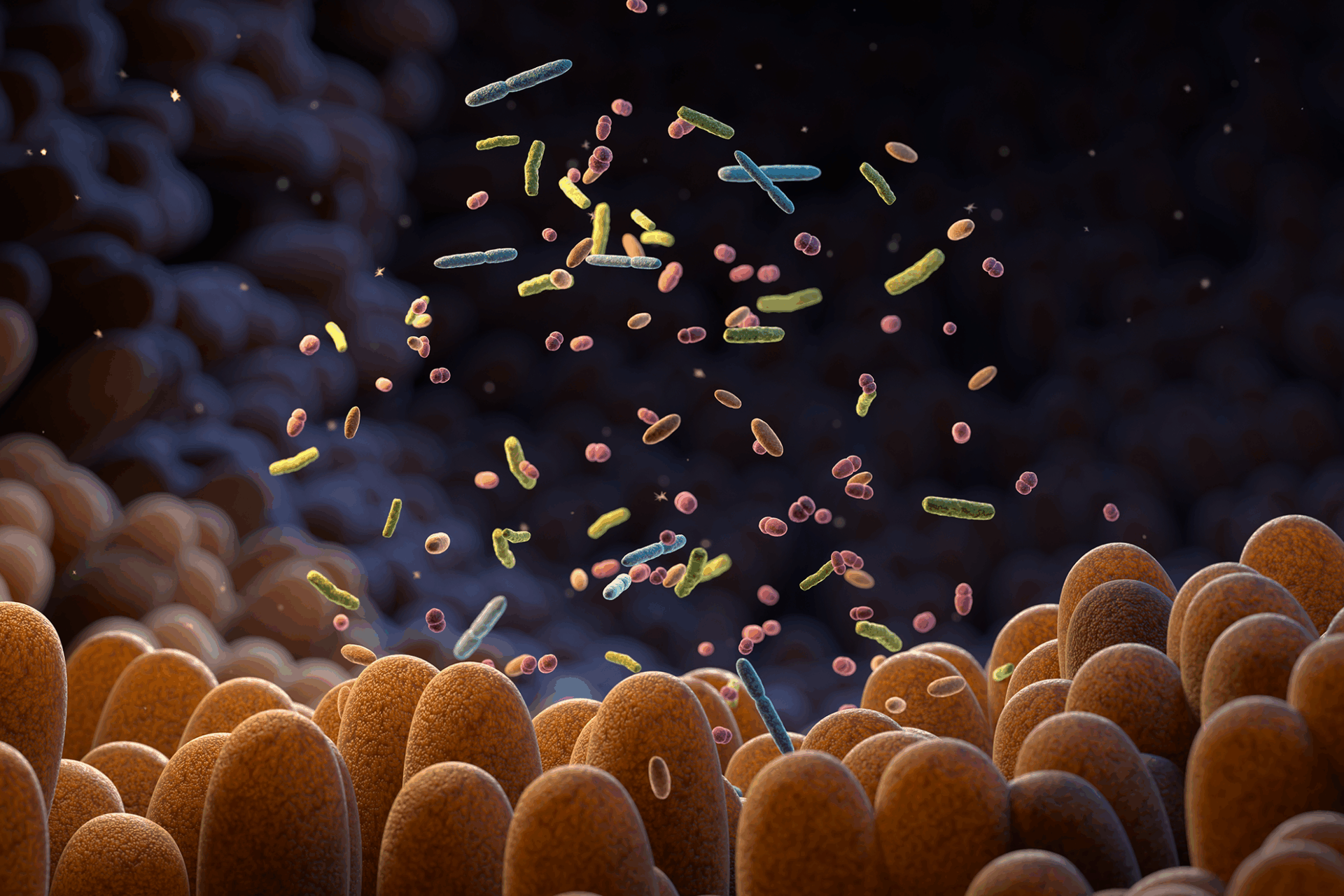
The Microbiome and Gut-Brain Axis in Systemic Health
The Microbiome Course (3 Hours/3 CEUs) provides clinicians with a comprehensive exploration of the microbiome, its influence on human health, and its connections to the gut-brain axis and inflammation. Across three modules, learners examine how the microbiome supports physiological balance, how disruptions in microbial diversity can contribute to dysbiosis and disease, and how lifestyle, dietary choices, and targeted interventions can help restore and maintain microbiome health. The course connects foundational science with practical clinical application, helping practitioners better understand the microbiome’s far-reaching effects on patient well-being.
Throughout the course, participants explore the microbiome’s role in digestion, immunity, neurological function, and overall homeostasis. Special attention is given to the gut-brain axis, including the mechanisms of communication between the gut and brain through the vagus nerve and other signaling pathways, as well as the relationships among the microbiome, stress, mood, and depression. The course also examines the link between microbiome imbalance and inflammation, introducing concepts such as leaky gut syndrome, epithelial inflammation, and the microbiome’s role in chronic inflammatory and autoimmune conditions.
By the end of the course, clinicians will have a stronger understanding of how the microbiome influences gut health, neurological well-being, and inflammatory processes, along with practical insight into dietary, lifestyle, and probiotic-based strategies that may support better patient outcomes. This knowledge can help practitioners make more informed recommendations and integrate microbiome-focused care into clinical practice.
Module One: Microbiome Overview

This module explores the microbiome’s significance in human health, showcasing recent research developments that shed light on how it impacts health and disease. It delves into the effects of aging and various factors influencing microbiome stability, diversity, and dysbiosis. Additionally, it introduces insights for fostering a healthy microbiome through lifestyle modifications, dietary choices, and the strategic use of probiotics for patient care.
Module Two: Gut-Brain Axis and Its Influence on Well-Being
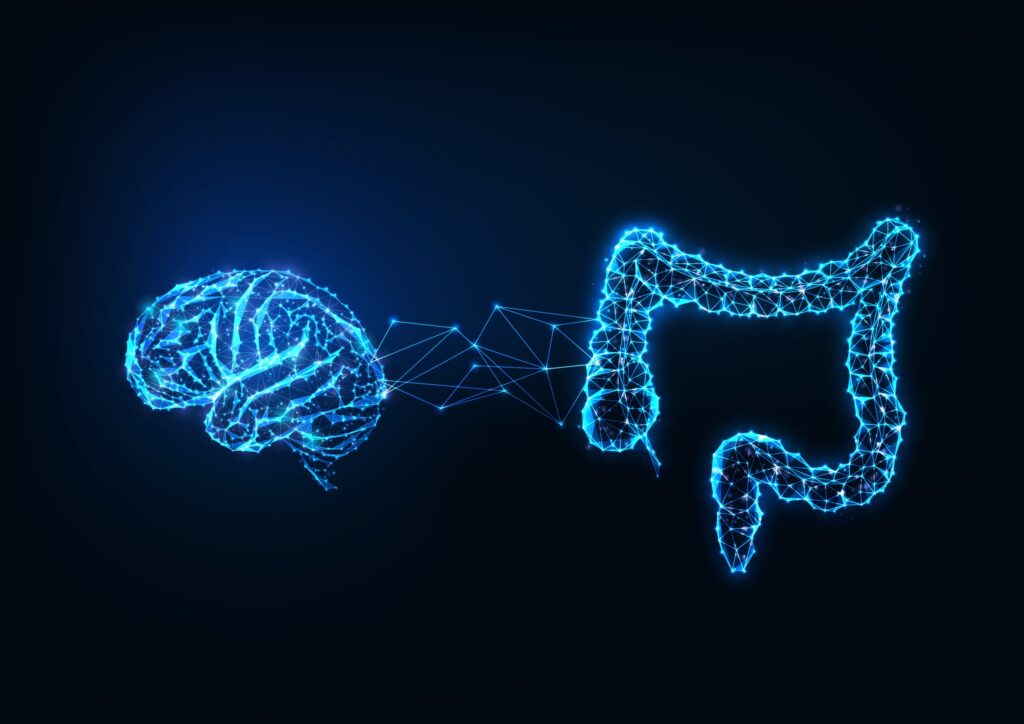
This module delves into the bidirectional communication between the gut and brain, known as the gut-brain axis, and its significant impact on overall well-being. The lesson covers the underlying mechanisms of gut-brain communications via the vagus nerve and other signaling pathways. The module will also discuss the relationships between the microbiome, stress, and depression, providing insight into dietary and lifestyle approaches to address these conditions effectively.
Module Three: Microbiome and Inflammation
This module explores the intricate relationship between microbiome health and inflammation and the underlying mechanisms that play a role. It introduces the concept of leaky gut syndrome, with a focus on the microbiome’s impact on epithelial inflammation. The module also delves into the connections among the microbiome, gut health, chronic inflammation, autoimmune conditions, and cognitive decline. Insights are provided toward implementing a program of treatment for leaky gut in patients.
License Renewal
While applications relating to credit hours for license renewal in selected states have been executed for these programs, it remains attendees’ responsibility to contact the state board(s) or organizations from whom they seek continuing education credits for purposes of ensuring said board(s) or organization approves both venue and content as they relate to any seminar/course/lecture/webinar/online presentation (event). Neither a speaker’s or exhibitor’s presence at said event, nor product mention or display, shall in any way constitute NCHS endorsement. NCHS’s role is strictly limited to processing, submitting, and archiving program documents on behalf of course sponsors.
CE Information
There are various course approvals for ND, DC, LAc, CNS, ACBN, BCHN, NTP, and California RN but please refer to the CEU Approvals by State page for information on specific approvals.
Disclaimer
The following states do not allow online CEUs: Indiana, Kentucky, Louisiana, Mississippi, Wisconsin. At this time, online CEUs are not able to be processed for Florida.