
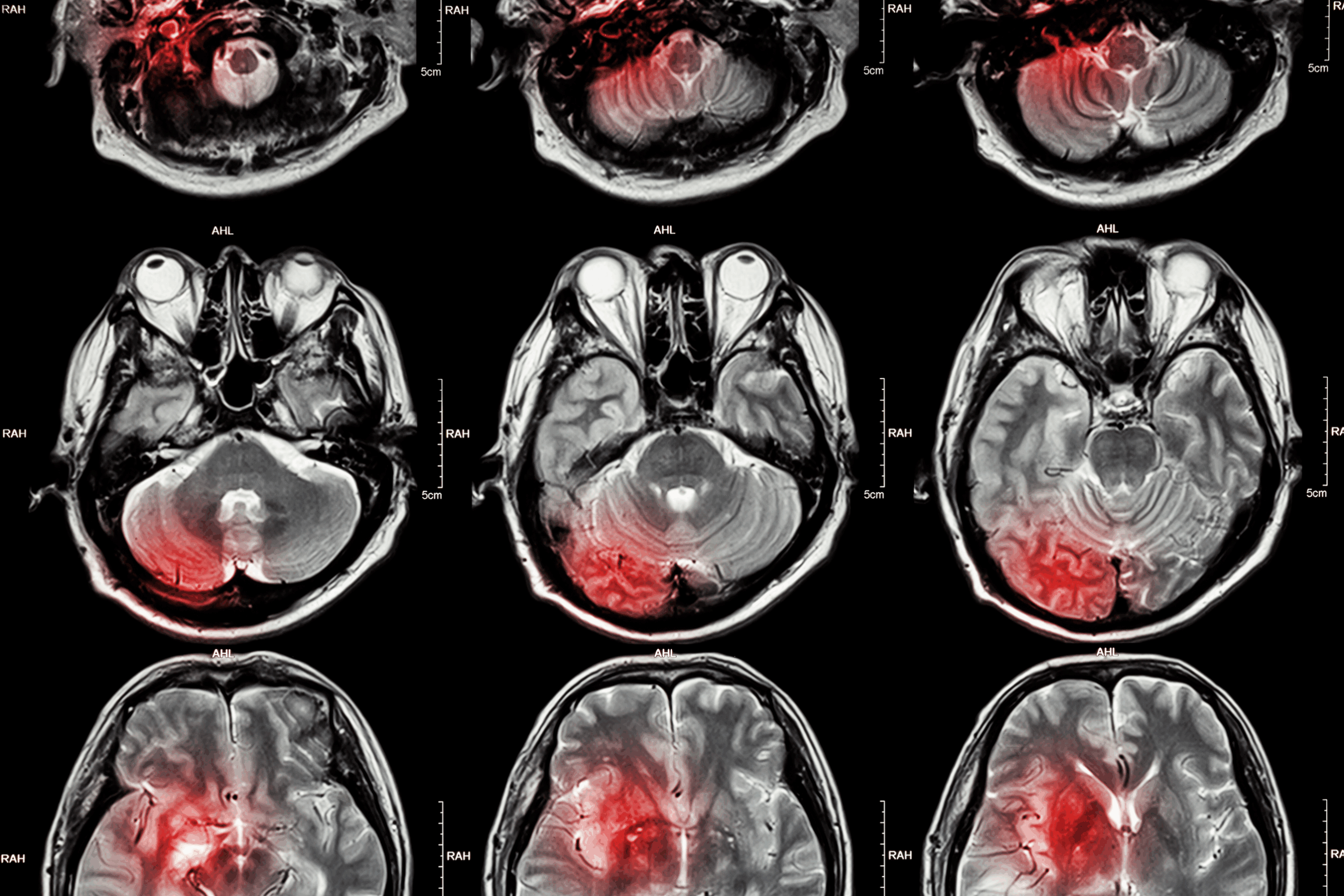
Neuroinflammation: Causes, Consequences, and Clinical Interventions Course
This course (3 hours/3 CEUs) provides clinicians with a comprehensive exploration of neuroinflammation, including its underlying causes, clinical consequences, and evidence-informed approaches to assessment and treatment.
Across three modules, learners examine the inflammatory processes that affect the nervous system, the relationship between neuroinflammation and chronic degenerative conditions, and the nutritional, lifestyle, and therapeutic factors that influence patient outcomes.
The course begins by defining neuroinflammation and exploring the dynamic relationship between the nervous and immune systems in both acute and chronic inflammatory states. It then turns to the role of magnesium, highlighting its importance in physiological regulation, inflammation control, pain modulation, cognition, and mood.
In the final module, learners focus on practical clinical application through diagnostic strategies, laboratory and questionnaire-based assessment tools, and targeted interventions that include magnesium, plant extracts, nutrition, diet, and lifestyle support.
By the end of the course, participants will have a stronger understanding of how neuroinflammation develops, how to recognize and assess it in clinical practice, and how to apply appropriate therapeutic strategies to better support patient health and outcomes.
Module One: Defining Neuroinflammation – Causes, Consequences, and Conditions
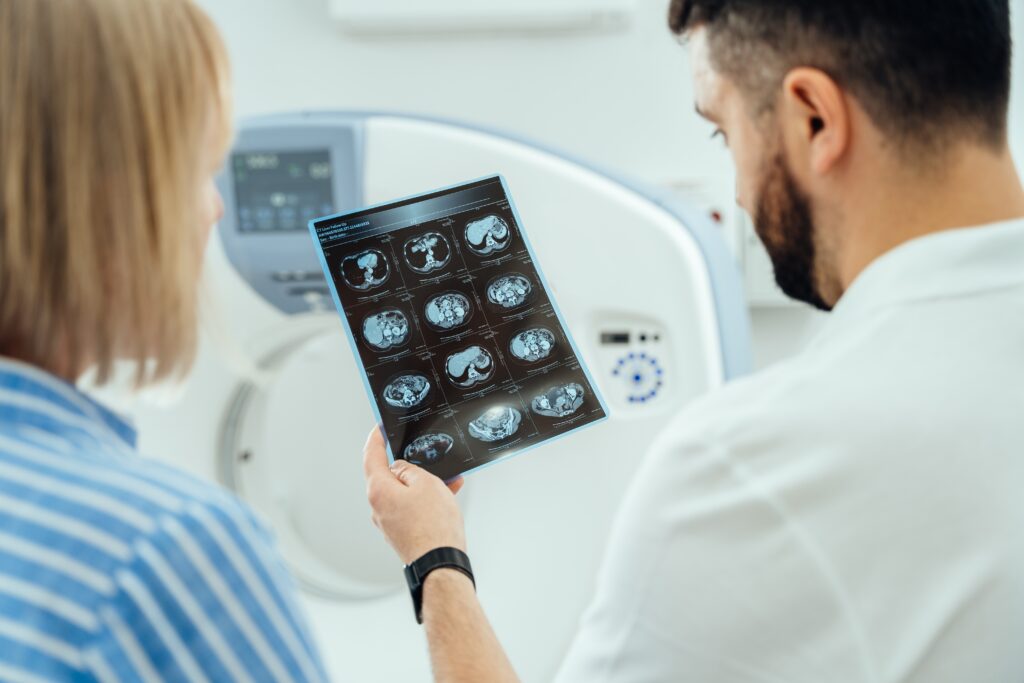
This module introduces the concept of inflammation, its causes, and its role in neuroinflammation and degenerative health conditions. Insights elucidate the complex interplay between the nervous and immune systems in inflammatory processes. Additionally, the module explores both acute and chronic inflammation and lays the groundwork for considerations for understanding today’s patients.
Module Two: Magnesium and Neuroinflammation
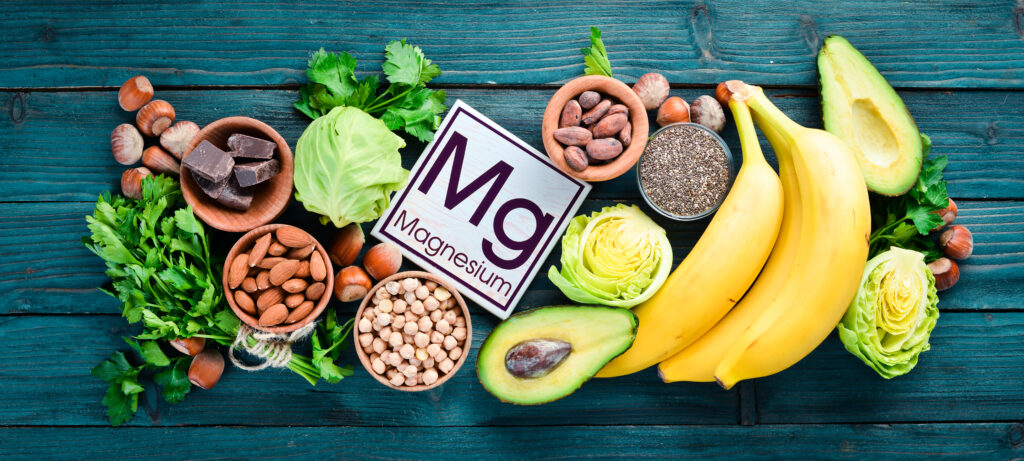
This module delves into magnesium’s significance in the body, recognizing symptoms and lifestyle factors linked to deficiency and the importance of magnesium in preventing and managing inflammation and pain through its role as a cofactor and facilitator of physiological processes. Additionally, learners will explore magnesium’s connection to amyloid plaques, Alzheimer’s disease, neuroinflammation, cognition, and mood disorders.
Module Three: Diagnostics and Treatments for Neuroinflammation
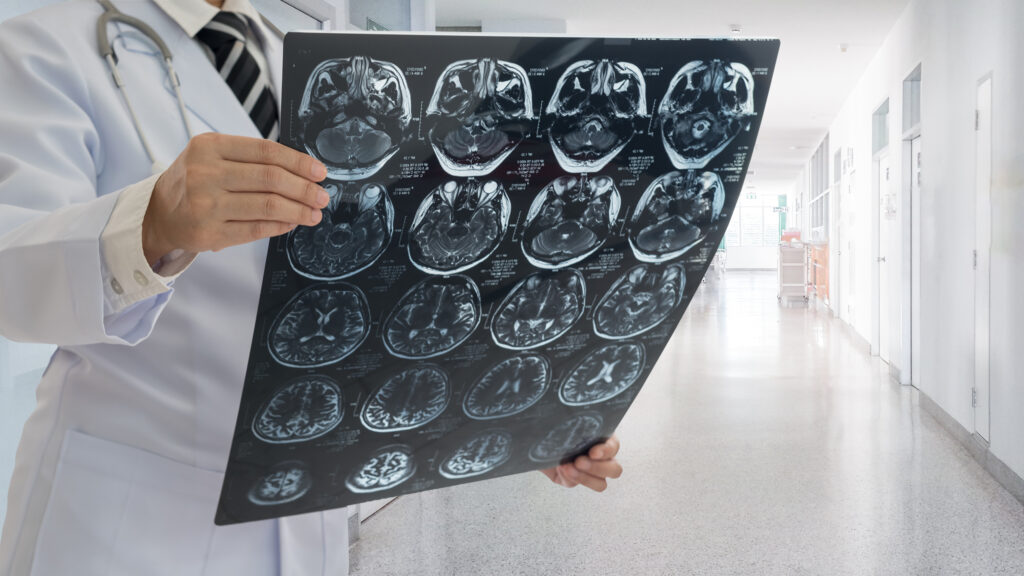
This module provides an in-depth look into assessing and diagnosing neuroinflammation utilizing diagnostic tools such as history, exams, lab tests, and questionnaires. Participants will also delve into the resolution process of inflammation and examine the therapeutic applications of magnesium, plant extracts, nutrition, diet, and lifestyle interventions in managing neuroinflammation for patients.
License Renewal
While applications relating to credit hours for license renewal in selected states have been executed for these programs, it remains attendees’ responsibility to contact the state board(s) or organizations from whom they seek continuing education credits for purposes of ensuring said board(s) or organization approves both venue and content as they relate to any seminar/course/lecture/webinar/online presentation (event). Neither a speaker’s or exhibitor’s presence at said event, nor product mention or display, shall in any way constitute NCHS endorsement. NCHS’s role is strictly limited to processing, submitting, and archiving program documents on behalf of course sponsors.
CE Information
There are various course approvals for ND, DC, LAc, CNS, ACBN, BCHN, NTP, and California RN but please refer to the CEU Approvals by State page for information on specific approvals.
Disclaimer
The following states do not allow online CEUs: Indiana, Kentucky, Louisiana, Mississippi, Wisconsin. At this time, online CEUs are not able to be processed for Florida.